General Contractor: Your Essential Partner for Household Projects
A general contractor plays an crucial role in residential construction. They oversee different elements of building work, guaranteeing that everything runs smoothly. Their expertise in construction regulations and standards allows them to navigate the intricacies of permits and inspections. This professional serves as a vital link between homeowners and subcontractors. However, many homeowners stay unsure about the full scope of their services. Comprehending these specifics can significantly impact the outcome of any remodeling endeavor.
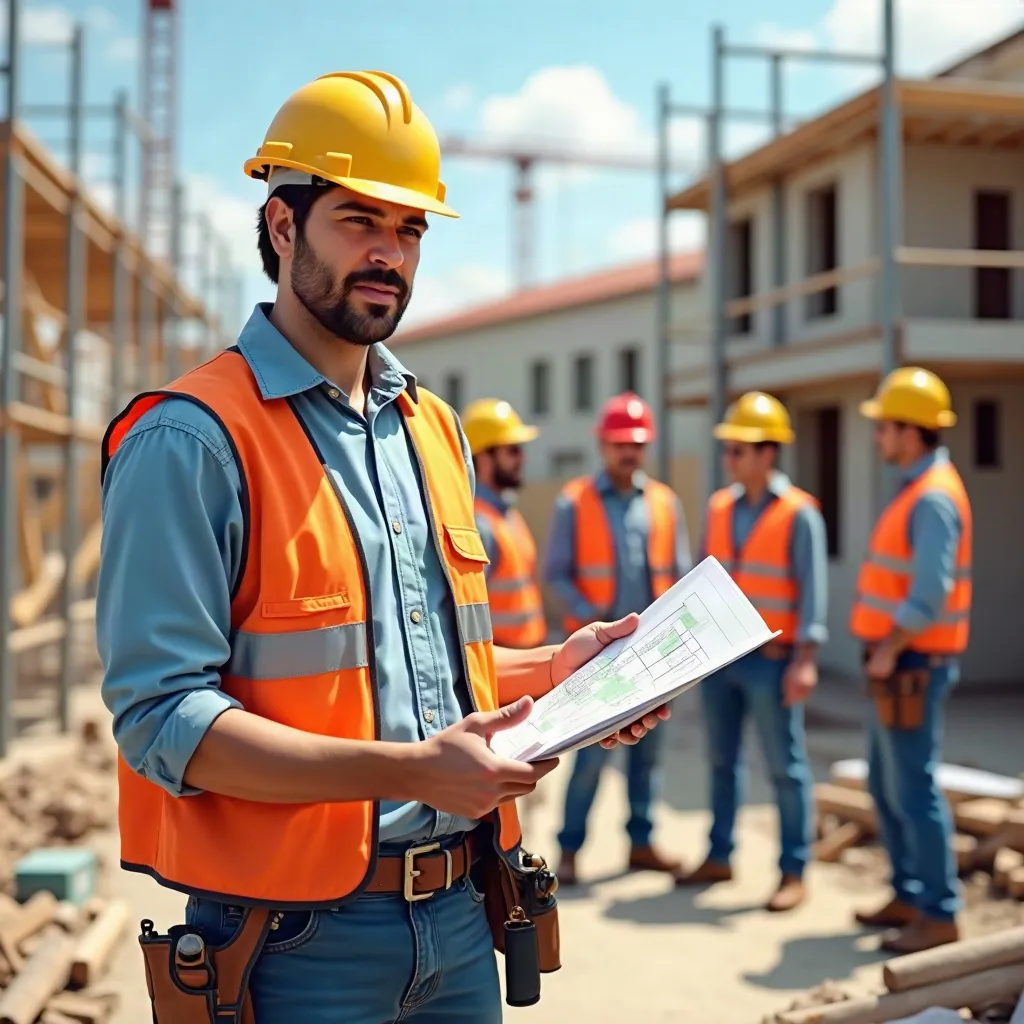
What Duties Do a General Contractor Accomplish?
A construction leader coordinates the assorted components of a construction project, making sure that everything runs smoothly from start to finish. They perform as the primary point of contact, managing communication between clients, independent contractors, and suppliers. This assignment involves designing the execution plan, mobilizing labor, and ensuring observance with state and local building regulations and codes.
General contractors are in charge of acquiring required licenses and arranging inspections, which are essential to maintaining safety and quality standards. They also manage budget planning, material procurement, and overseeing site operations to mitigate any potential delays or issues. In addition, they supervise subcontractors, making sure that each phase of construction aligns with project specifications and timelines. Overall, a general contractor's knowledge and management abilities are essential to delivering a successful construction project, transforming a client's vision into reality while managing multiple duties and obligations.
Advantages of Utilizing a General Contractor for Residential Remodeling
Retaining a a general contractor for residential upgrades delivers countless benefits that can substantially enhance the efficiency and quality of the project. Professional contractors offer specialized knowledge in managing projects, making sure that schedules are kept and resources are allocated effectively. Their strong relationships with specialized contractors can generate better rates and excellent craftsmanship, which finally helps property owners regarding both time and money.
Moreover, general contractors oversee the complex aspects of permits and inspections, reducing possible regulatory problems. They also offer a unified liaison, simplifying communication and coordination among different contractors. This streamlining decreases the chance for confusion and setbacks.
In addition, their proficiency enables them to foresee potential challenges, allowing timely interventions to maintain the project on track. By hiring a general contractor, homeowners can focus on their vision while enjoying peace of mind, knowing that a professional is directing every aspect of the renovation.
Clearing Up Myths Regarding Construction Professionals
Although many property owners may have misunderstandings about contracting professionals, grasping the realities can lead to more informed decisions. A widespread myth is that hiring a general contractor is unnecessary for minor projects; still, their proficiency can ease even minor renovations, ensuring compliance with local codes. Another typical belief is that contractors are just middlemen, but they often have comprehensive knowledge in various trades, allowing them to direct projects smoothly. Moreover, some clients assume that working with a contractor will significantly increase costs. In reality, a skilled contractor can often obtain better pricing for materials and labor through long-standing relationships with suppliers and subcontractors. Lastly, many think that contractors are inflexible, but reliable contractors focus on client communication and work closely to satisfy specific needs. Dispelling myths can empower homeowners to harness the actual value of general contractors when completing positive home projects.
How to Choose the Right General Contractor?
How can homeowners ensure they select the right construction professional for their jobs? The process starts with thorough research. Property owners should seek recommendations from friends, family, or online reviews to identify qualified contractors. Once a list is compiled, verifying credentials, such as licensing, bonding, and insurance, is essential to verify credibility.
Next, homeowners should ask for and examine portfolios of past projects, focusing on assignments of comparable size. Setting up interviews allows property owners to assess fit, discussing schedules, costs, and requirements. It's also recommended to get several estimates for evaluation, providing a clear understanding of expenses.
Reviewing references provides insight into a contractor's reliability and professionalism. Finally, following your intuition is important; an opening discussion can reveal much about a contractor's communication style and approach. By following these steps, homeowners can markedly increase their chances of selecting a general contractor who suits their project needs and vision.
Powerful Communication Strategies For Working With Your General Contractor
Which techniques can homeowners implement to guarantee effective dialogue with their general contractor? Creating clear communication from the inception is necessary. Homeowners should explicitly state their expectations, project goals, and spending restrictions during initial discussions. Ongoing reports can be supported through organized gatherings, guaranteeing that both parties remain aligned throughout the project.
Applying written documentation, such as project documentation and emails, strengthens spoken commitments and decreases confusion. Homeowners should likewise analysis encourage transparent dialogue by inviting feedback and questions from the contractor, fostering a collaborative environment.
In addition, tapping into technology, such as project management apps, can refine exchange of information by supplying a core platform for communicating updates, timelines, and changes. Finally, acting considerate and welcoming can elevate camaraderie, enabling it easier for the contractor to articulate challenges or suggestions in an effective manner. By utilizing these solutions, homeowners can build up a rewarding and forthright bond with their general contractor.
How to Get Ready When Your Project Launches?
Once the project launches, homeowners can expect a flurry of activity on-site. The general contractor will direct teams of skilled tradespeople, including electricians, plumbers, and carpenters, who will commence their work following the predetermined plan. Homeowners may notice construction equipment and supplies being moved in, establishing a energetic atmosphere.
Communication stays vital during this phase. The contractor will give progress reports on progress and address any concerns that arise. Homeowners should prepare for potential disruptions, such as noise and limited entry to certain areas of the home.
Safety protocols will be in place to protect both workers and residents, maintaining a secure environment. Additionally, homeowners may be encouraged to copyright flexibility, as unpredictable obstacles can arise, prompting adjustments to the original plan. Overall, this initial phase initiates the foundation for the successful completion of the project, and active cooperation is essential.
Essential Questions for Your General Contractor Agreement?
Selecting the right topics to pose when concluding a general contractor agreement is critical for ensuring a successful project. Homeowners should ask about the contractor's permit and coverage to confirm their credentials and protection against liabilities. Understanding the project duration and stages is significant; therefore, asking about estimated completion dates helps establish expectations.
It is also paramount to communicate financial specifications, like deposit amounts and payment plans, to ward off misconceptions. Home purchasers should procure a detailed breakdown of costs, highlighting materials and skilled work, to assure transparency. In addition, deliberating on the process for addressing changes or unforeseen issues can avert conflicts subsequently.
In conclusion, homeowners should investigate details about the qualifications of their subcontractors, as well as the contractor's communication approach throughout the project. By considering these questions, homeowners can develop a strong relationship with their lead contractor, ultimately achieving a successful construction project.
Regularly Requested Questions
How Do General Contractors Determine Their Charges for Services?
General contractors typically bill through fixed fees, per-hour charges, or a percentage of the total project cost. Their costs may also encompass materials, labor, and operational expenses, depending on the project's complexity and scope.
Can a General Contractor Support With Permits and Evaluations?
Yes, a construction professional can aid in securing permits and conducting inspections oversight. They generally navigate local regulations and maintain compliance, streamlining the process for homeowners while providing necessary approvals throughout the building endeavor.
What Attributes Should I Hunt for in a General Contractor?
When designating a construction company, one should evaluate professional attributes such as licensing, insurance, history with related undertakings, positive references, and proficient communication practices, ensuring they possess the vital expertise to administer the project successfully.
How Long Does a Common Home Restoration Job Need?
A common home remodeling job can span anywhere from a few weeks to several months, contingent upon the breadth, complexity, and size of the project, as well as the supply of materials and labor.
What Transpires if My Undertaking Exceeds Budget?
If a project exceeds the budget, the contractor usually talks through the reasons and options with the property owner. Adjustments may include reducing scope, obtaining more funds, or revising the project scope to align with financial limits.